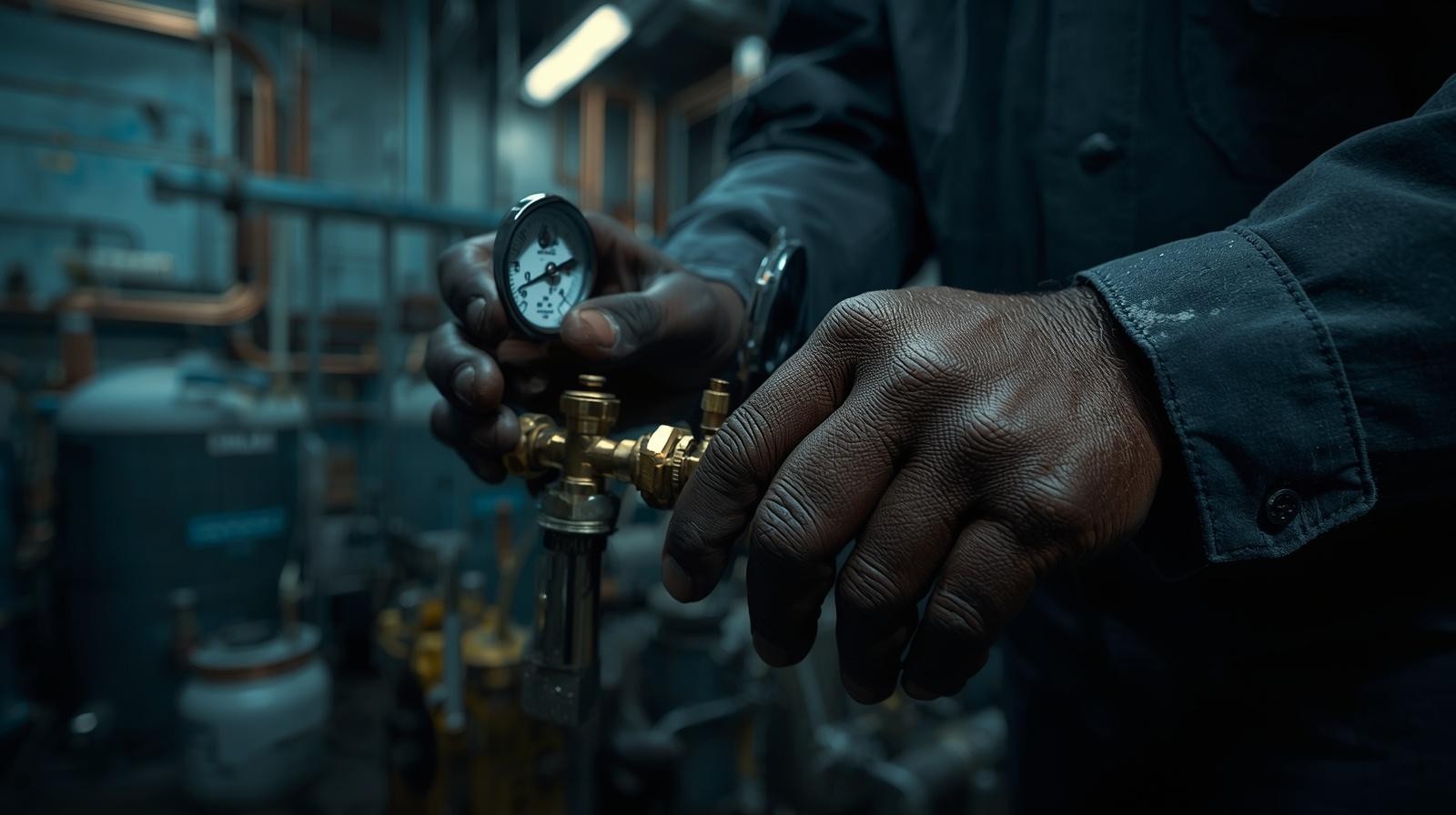
If you're new to refrigeration, the whole thing can feel like a foreign language. Suction pressure, superheat, subcooling, condensers, evaporators... it's a lot. I've worked refrigeration systems on a commercial fishing vessel in the Bering Sea and in industrial facilities in Moses Lake. Here's the plain-English version of what you actually need to understand to get started.
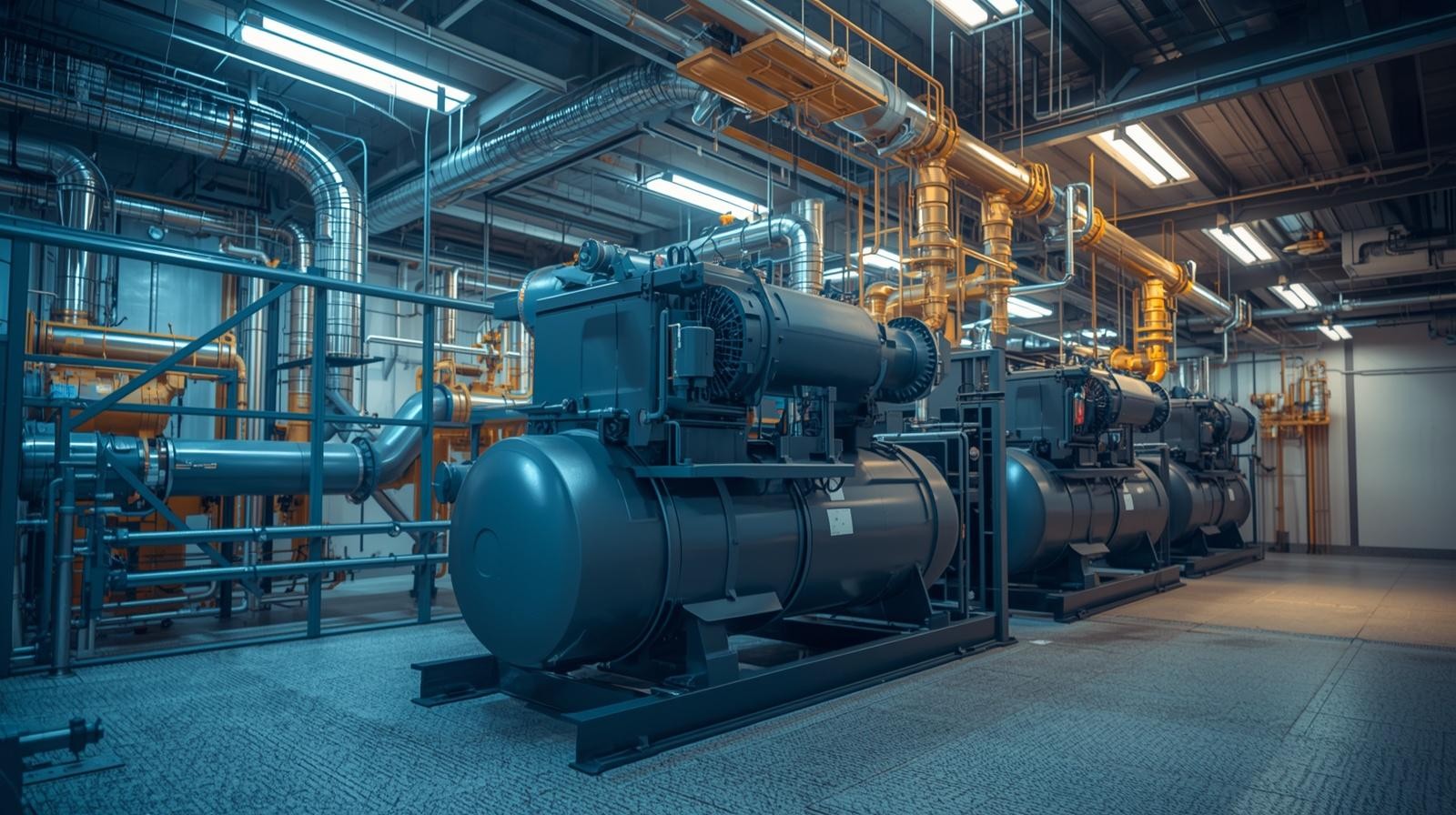
The Basic Refrigeration Cycle
Refrigeration works by moving heat from one place to another, not by creating cold. The refrigerant is the working fluid that carries that heat around. Here's the cycle in simple terms:
1. Compression: The compressor takes low-pressure refrigerant vapor and compresses it, which raises its temperature and pressure. Think of it as the heart of the system.
2. Condensing: The hot, high-pressure vapor moves to the condenser where it gives off heat to the surrounding air or water and turns into a liquid. This is where the heat leaves the system.
3. Expansion: The liquid refrigerant passes through an expansion valve, which drops the pressure rapidly. When pressure drops, temperature drops with it.
4. Evaporation: The cold, low-pressure refrigerant enters the evaporator where it absorbs heat from the space you're trying to cool and boils back into a vapor. Then the whole cycle repeats.
Key Terms You Need to Know
Superheat is how many degrees above the boiling point the refrigerant vapor is when it leaves the evaporator. You want some superheat to make sure no liquid hits the compressor, which would damage it. Too much superheat and your system is undersized or undercharged.
Subcooling is how many degrees below the condensing temperature the liquid refrigerant is when it leaves the condenser. More subcooling means more efficient operation. If you have no subcooling, you might have a refrigerant charge issue.
Saturated pressure and temperature are linked. Every refrigerant has a pressure-temperature relationship. When you know the pressure, you know the saturation temperature. This is why technicians carry PT charts.
The compressor doesn't pump refrigerant. It pumps pressure difference. The refrigerant moves because of that pressure difference.
Why This Matters in Industrial Settings
In industrial refrigeration, especially in ammonia systems like what we run in Moses Lake food processing facilities, the stakes are higher. Ammonia is efficient and cost-effective, but it requires more respect than commercial refrigerants. Leak detection, proper PPE, and understanding system pressures aren't optional, they're survival skills.
If you're getting into industrial refrigeration, get familiar with your state's refrigerant regulations, OSHA PSM requirements if your facility qualifies, and your employer's emergency response plan. Know where the emergency shutoffs are before you need them.
The Best Way to Learn
Read the equipment manuals. Every compressor manufacturer publishes detailed documentation. Get your hands dirty under supervision. And don't be afraid to ask the older techs questions. The knowledge in this field lives in people's heads as much as it lives in books.
This is a field where you're always learning. Ten years in I'm still picking up things I didn't know. That's what makes it a good career.
Originally published on LinkedIn.